How to Remove Common Household Stains Safely: A Practical Guide

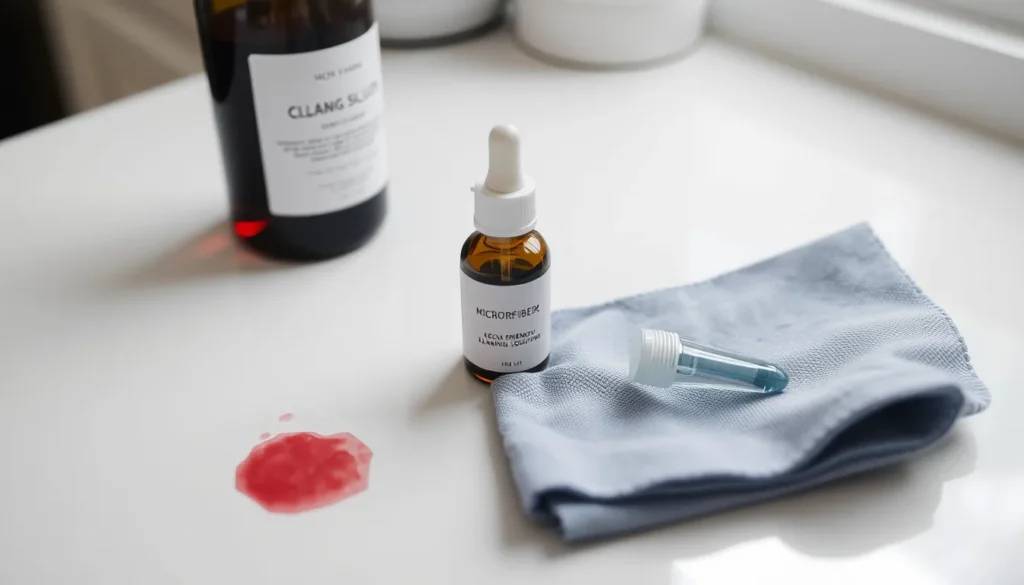
You are about to learn how to remove common household stains safely by understanding the chemistry behind each mess. This guide prioritizes fabric care labels and gentle testing to prevent accidental damage. You will discover why specific solvents or enzyme cleaners work on set-in stains, empowering you to act with confidence rather than guesswork.
By focusing on the “why” behind every method, you can protect your home’s surfaces and textiles. Whether dealing with wine on carpet or grease on countertops, you will gain practical skills that minimize risk. The goal is clear, effective results without harsh chemicals or permanent harm to your belongings.
The Golden Rules of Stain Removal
Immediate action dictates success. When a spill occurs, resist the urge to rub. Rubbing forces liquid deeper into fibers, turning a surface mark into a set-in stain. Instead, gently blot the area with a clean, white cloth to absorb excess liquid without spreading it.
Heat is the primary enemy of effective cleaning. Applying warm water or heat before the stain is fully removed can cook protein-based stains like blood or egg, bonding them permanently to the material. Always start with cold water to keep the stain soluble.
Before applying any solution, verify compatibility. Check the care label on textiles to understand fiber restrictions. For any cleaning agent, including natural options like vinegar or lemon juice, perform a spot test on a hidden area first. This simple step prevents accidental discoloration or fiber damage. Even mild solvents or enzyme cleaners can react unexpectedly with certain dyes or finishes.
Patience is critical. Rushing the process often leads to over-saturation or chemical burns. Take the time to verify that your chosen method is safe for the specific material. If the spot test shows any adverse reaction, stop immediately and select a gentler alternative. This cautious approach ensures you address the stain effectively while preserving the integrity of your belongings.
Understanding Stain Types and Their Countermeasures
Effective stain removal relies on matching the cleaning agent to the stain’s chemical structure. Most household stains fall into three distinct categories: water-based, oil-based, and protein-based. Identifying the type determines the correct countermeasure.
Water-based stains, such as wine, coffee, or blood, dissolve in water. These typically respond well to standard detergents diluted in water. The goal is to dilute and lift the pigment away from the fiber. For these, a simple soak or blot with a mild solution often suffices.
Oil-based stains, including grease, makeup, and cooking oils, do not mix with water. Attempting to wash them with water alone will push the oil deeper into the fabric. These require a solvent or degreaser to break down the hydrocarbon bonds. Dish soap is a common household solvent for this purpose.
Protein-based stains, like egg, milk, or sweat, require specific handling. Cold water and an enzyme cleaner are essential here. Enzymes break down the protein structure. Crucially, never use hot water on protein stains. Heat acts like a cooking process, denaturing the protein and permanently bonding it to the fabric fiber, turning a removable mark into a set-in stain.
Always perform a spot test in an inconspicuous area before applying any solvent or enzyme cleaner to ensure the material can withstand the treatment.
Treating Fabric Stains Safely
- Grease: Blot excess oil immediately. Apply a drop of dish soap or dust with cornstarch to absorb the residue. Let it sit, then rinse with warm water.
- Wine: Blot, do not rub. Sprinkle salt to absorb moisture or pour club soda to dilute the pigment. Place a white towel underneath to catch the stain as it lifts.
- Blood: Rinse with cold water only. For older marks, apply hydrogen peroxide sparingly. Always perform a spot test on a hidden seam first, as peroxide can bleach colored dyes.
Respect the care label. If it says dry clean only, take it to a professional. Attempting home remedies on delicate materials often leads to permanent shrinkage or color loss.
For silk or wool, avoid harsh scrubbing. These fibers are fragile and can snap under mechanical friction. Instead, gently dab with a damp cloth to lift surface dirt. If the stain persists or the fabric feels stiff, stop. Professional cleaners have specialized tools and solvents designed for these sensitive textiles. Pushing too hard at home risks destroying the weave, turning a simple stain issue into a complete garment loss. When in doubt, err on the side of caution and consult an expert.
Cleaning Carpets and Upholstery
Carpets and upholstery present unique challenges compared to hard surfaces because their porous fibers trap liquids deep within the material. Water does not simply sit on top; it penetrates, potentially wicking upward later or creating a damp environment where mold thrives. This makes moisture control the most critical factor in successful stain removal.
Adopt a "less is more" approach. Excess liquid saturates the padding beneath the carpet, leading to structural damage and persistent odors. Instead of soaking the area, apply cleaning solutions sparingly.
Always blot stains with a clean, white cloth. Do not rub or drag the fabric, as this spreads the set-in stain and works it deeper into the pile. A white cloth is essential for a spot test; it reveals if the carpet color bleeds without obscuring the stain transfer.
For specific messes, choose your tool carefully. Food spills often respond well to a mild solution of dish soap and warm water. For organic accidents, such as those from pets, an enzyme cleaner is superior. These products break down biological matter at a molecular level, preventing the stain from reappearing as the carpet dries. Avoid using harsh solvents on upholstery unless the manufacturer explicitly approves them, as they can degrade synthetic fibers. If the stain remains after proper blotting and drying, stop. Repeated wetting weakens the adhesive holding the carpet down and invites microbial growth.
Hard Surface Stains: Countertops, Tiles, and Wood
Before applying any product, identify the material’s porosity. Natural stones like granite and marble are porous and sensitive to pH levels. Avoid acidic cleaners such as vinegar or lemon juice, as they chemically etch the surface, causing permanent dullness. Instead, use a pH-neutral cleaner specifically formulated for stone. Always perform a spot test in an inconspicuous area to ensure the solvent does not alter the finish.
For wood floors, moisture is the primary enemy. Wipe up spills immediately to prevent warping or swelling. Use a dedicated wood cleaner rather than water alone, which can leave residue or damage the sealant. Never saturate the wood; excessive liquid penetrates the grain and compromises structural integrity.
Ceramic tiles are more forgiving due to their low porosity. Standard dish soap diluted in water usually suffices for most stains. If a set-in stain persists, apply a mild enzyme cleaner for organic residues or a specific tile-safe solvent for grease. Always blot liquids rather than rubbing, which can push debris into grout lines. Knowing your material dictates the safe cleaning approach.
Safety Warnings and When to Call a Pro
Never mix cleaning chemicals. Combining bleach with ammonia or acids creates toxic fumes that can cause severe respiratory damage. Always ensure adequate ventilation when using strong solvents, opening windows or using fans to disperse fumes. If you feel dizzy or nauseous, step outside immediately.
Recognize the point of no return for DIY attempts. If a stain has been set by heat, is several days old, or appears on an antique or high-value item, professional cleaning is the safer option. Heat can bond fibers and stain molecules permanently, while age allows pigments to penetrate deep into the substrate.
Stop immediately if a DIY attempt causes visible damage. Signs of failure include color bleeding, the stain spreading, or fabric discoloration. Continuing to apply chemicals in this state will worsen the damage. Blot the area gently to remove excess liquid, but do not rub. When in doubt about the material’s integrity or the stain’s age, consult a professional who can assess the fiber type and select the appropriate solvent without risking permanent harm.
